Engineering projects often involve several technical standard systems at once, each with different requirements, test methods and design philosophies. For equipment procurement and project execution, understanding the differences between the American Society of Mechanical Engineers (ASME), the American Petroleum Institute (API) and Chinese national standards (GB) is key to compliance, quality control and smooth delivery.
Overview of the Main Standards Bodies
ASME (American Society of Mechanical Engineers)
Founded in 1880, ASME develops standards covering all areas of mechanical engineering, with an emphasis on safety, reliability and consistent engineering practice across industries. Key standards include the ASME Boiler and Pressure Vessel Code (BPVC), the ASME B31 piping codes and the ASME B16 standards for valves and fittings. ASME standards are adopted or referenced in more than 100 countries and form the basis of pressure equipment regulations in North America and many other regions.
API (American Petroleum Institute)
Founded in 1919, API focuses on standards for the oil and gas industry, addressing equipment, materials and engineering practices specific to oil and gas applications. Key standards include API 610 (centrifugal pumps), API 6D (pipeline valves), API 650/653 (storage tanks) and API 674 (reciprocating positive displacement pumps). Although centred on the petroleum industry, API standards are also widely used in chemical, power and other industries handling hydrocarbons or severe services.
GB (Chinese National Standards)
Chinese national standards are divided into mandatory standards (GB) and recommended standards (GB/T). Many GB standards are developed with reference to international standards such as ISO and IEC, while reflecting the specific needs of the domestic market and engineering practice. Key standards include GB 150 (pressure vessels), GB/T 3216 (hydraulic performance acceptance tests for rotodynamic pumps), GB/T 12235 (globe valves and lift check valves) and GB 50316 (design code for industrial metallic piping). Mandatory GB standards have legal force in China, while recommended GB/T standards guide industry practice.
Pressure Vessel Standards Compared
Design Philosophy
ASME Section VIII has two divisions: Division 1 uses design by rule, with prescriptive requirements for conventional vessels; Division 2 uses design by analysis, allowing more optimised designs through detailed stress analysis.
GB 150 uses a formula-based design method similar to ASME Section VIII Division 1, but with Chinese material standards and welding requirements. Recent revisions have increasingly aligned with international practice.
The main differences lie in allowable stress values, weld joint efficiency factors, quite different inspection and testing requirements, and different material grade systems.
Material Specifications
ASME references ASTM material standards, for example SA-516 Grade 70 plate for pressure vessels; GB uses domestic grades, for example Q345R plate for pressure vessels. Their mechanical properties are often similar, but chemical composition requirements and manufacturing processes may differ.
Although material cross-reference tables are available, engineers still need to confirm that a so-called “equivalent” material meets all code requirements, including impact testing, heat treatment and traceability.
Pump Standards Compared
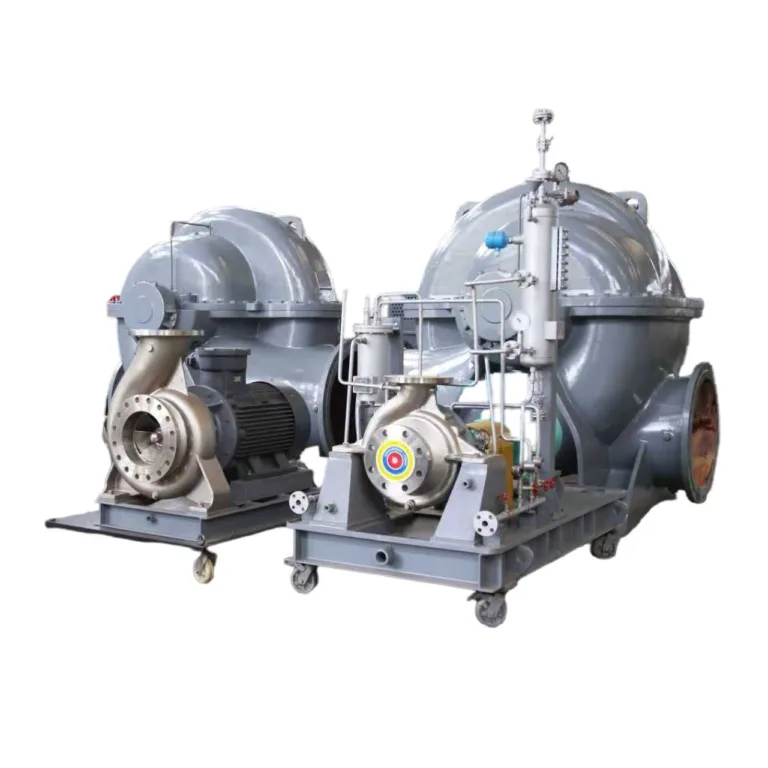
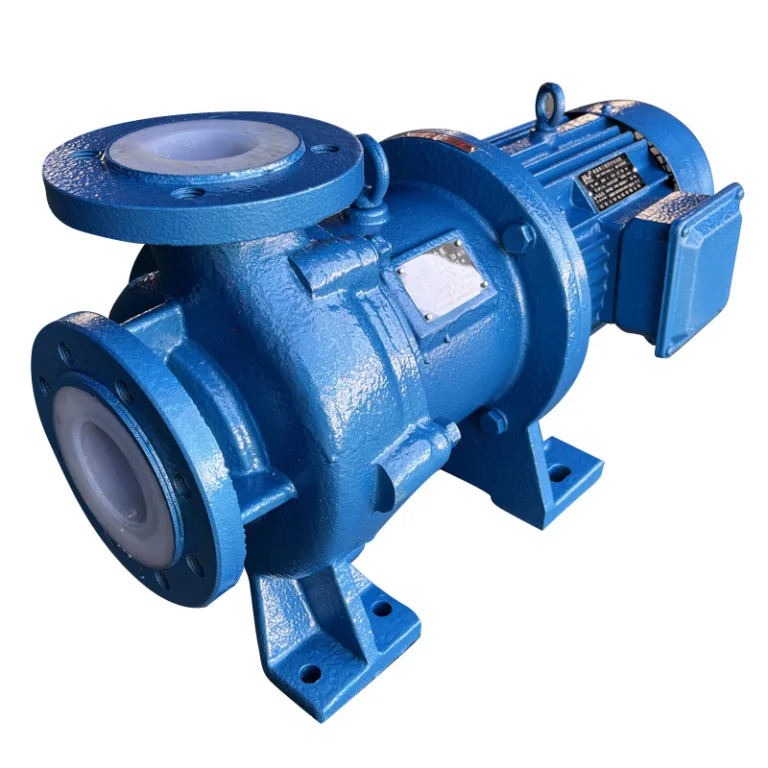
API 610, ASME B73.1 and GB/T 3216
| Standard | Scope | Key Features |
|---|---|---|
| API 610 | Centrifugal pumps for petroleum, petrochemical and natural gas industries | Strict mechanical design and material requirements, comprehensive testing, focus on reliability in severe services |
| ASME B73.1 | Horizontal end suction centrifugal pumps for general chemical process | Emphasis on dimensional standardisation and interchangeability; less demanding than API 610 |
| GB/T 3216 | Performance testing of centrifugal, mixed flow and axial pumps | Defines test methods and tolerances, harmonised with ISO 9906; technical conditions are set separately by standards such as GB/T 5656 |
Differences in Performance and Testing Requirements
For hydraulic performance tolerances, API 610 sets tighter tolerances on head, efficiency and power than ASME B73.1 or GB/T 3216 Grade 1 testing. For mechanical testing, API 610 has higher requirements for vibration testing, bearing temperature limits and mechanical seal performance testing than ASME and general GB standards. For inspection, API projects usually require more factory witness points.
Valve Standards Compared
API 6D, ASME B16.34 and Equivalent GB Standards
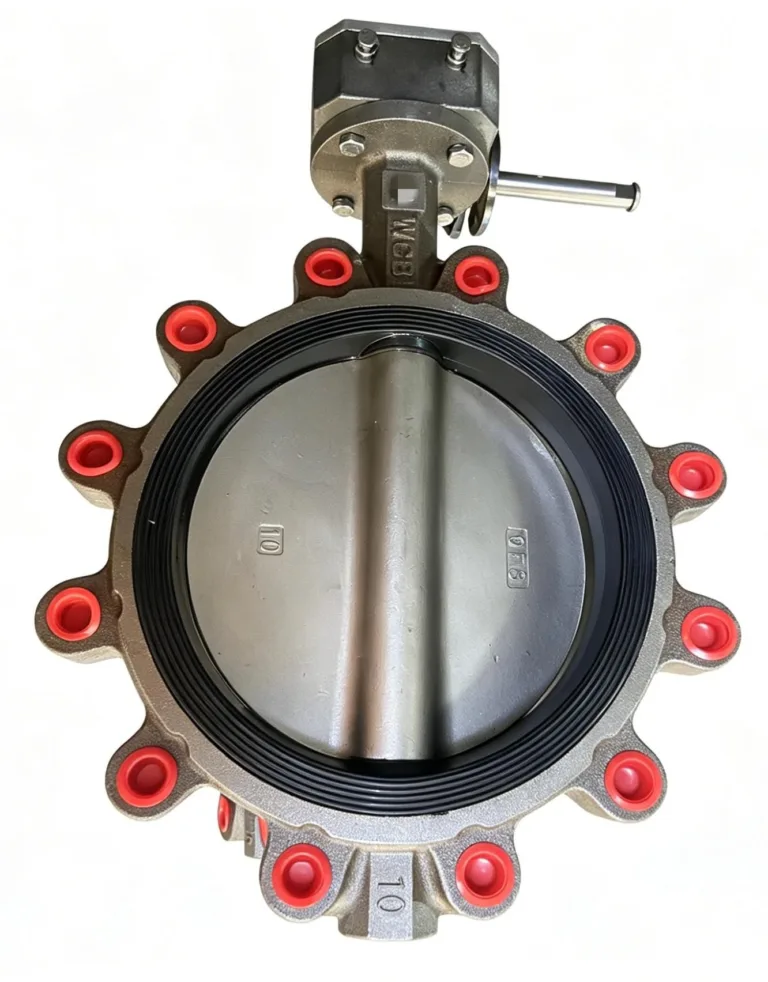
API 6D (pipeline and piping valves) is specific to pipeline applications. The shell test pressure is 1.5 times the design pressure, seat leakage acceptance criteria are detailed, bidirectional sealing is required, and fugitive emission testing is addressed.
ASME B16.34 (flanged, threaded and welding end valves) defines pressure-temperature ratings, material requirements and dimensional standards. It has a broader scope and is widely referenced by other valve standards.
Chinese national standards: the equivalent of API 6D is GB/T 20173 (petroleum and natural gas industries, pipeline transportation systems, pipeline valves, identical to ISO 14313); GB/T 12234 covers bolted bonnet steel gate valves for the petroleum and natural gas industries. GB standards are increasingly aligned with API in technical content but use domestic material grades.
Key Specification Differences
For pressure testing, API 6D requires a shell test at 1.5 times design pressure and a seat test at 1.1 times, with limits on closing force; ASME B16.34 sets different multipliers by valve type; the equivalent GB standards largely follow the API 6D test methods.
For materials, each standard references different material specifications: API allows ASME/ASTM materials, while GB specifies domestic grades, so equivalence must be checked carefully.
For quality documentation, API standards usually require more complete documents, including material certificates, test reports and evidence of a quality management system.
Piping Standards Compared
ASME B31.3 and GB 50316
ASME B31.3 (process piping) is a comprehensive code covering design, materials, fabrication, testing and inspection. It is widely used in chemical and petroleum plants worldwide, uses allowable stress as the design basis and provides many appendices for specific services.
GB 50316 (design code for industrial metallic piping) is China’s national standard for industrial piping. Its structure is similar to ASME B31.3, but it references domestic material standards and includes specific requirements suited to domestic construction practice.
Differences in Design Calculations
The wall thickness calculation approach is similar, but details differ: allowable stresses are derived from material standards using different factors and methods; weld joint quality factors differ; GB sometimes specifies a minimum corrosion allowance, while ASME leaves it to the designer; stress categories in flexibility analysis are similar, but stress intensification factors differ.
Material Traceability and Documentation
Certificate Requirements
ASME requires mill test reports (MTR) according to ASTM A20 (plate) and other applicable ASTM standards, with heat number traceability and the specified mechanical and chemical test data. API often adds requirements, for example compliance with NACE MR0175/ISO 15156 for sour service, with corresponding additional testing and documents. GB requires material certificates according to domestic standards, with similar traceability requirements, although the format and specific data items may differ.
Third-Party Inspection
ASME Authorized Inspectors are internationally recognised, with qualifications and authority defined by ASME; API registered inspectors specialise in API equipment and verify compliance with the API Q1 quality management system; GB compliance is verified by qualified domestic inspection bodies.
Handling Multi-Standard Projects
Common Situations
On international EPC projects, major equipment may be specified to ASME/API while local fabrication and domestic materials follow GB, so a harmonisation strategy is needed to resolve conflicting requirements. On domestic projects using international standards, GB is usually mandatory, but ASME/API may be accepted as an alternative with proper approval, and documents must satisfy both systems. For equipment exported from China, more and more domestic manufacturers supply ASME/API-compliant products while maintaining GB compliance for the domestic market.
How to Choose the Applicable Standard
Project Drivers
- Owner requirements: end-user specifications usually set standards based on company engineering standards, regulatory requirements and operating experience.
- Regulatory environment: local authorities may require specific standards. China requires GB compliance, and many countries accept ASME as equivalent to their national codes.
- Supply chain factors: availability of materials and equipment varies by region. Domestic Chinese materials are supplied to GB specifications, while global sourcing usually defaults to ASME/ASTM.
- Cost impact: standards affect project cost through material grades, testing requirements, quality documentation and inspection procedures.
Harmonisation Strategy
When several standards apply, define the hierarchy and harmonisation rules: assign a governing standard for each equipment category; list the specific clauses of applicable secondary standards; prepare a detailed cross-reference table verified by material testing; and set up an inspection plan that satisfies all applicable standards at the same time.
How KFE Supports Multi-Standard Projects
KFE can help you define the applicable standards based on project requirements, prepare cross-references of material and technical requirements between standards, and organise and check documentation against the standards that apply to your project. For procurement involving ASME, API and GB requirements together, we make sure each requirement is captured in the technical documents during the RFQ and purchasing stages.
Trends in Standards Development
Cooperation between international standards bodies is growing to reduce conflicts and improve consistency. ISO standards are becoming the common reference, with regional standards adopting the ISO framework while keeping necessary local requirements. New editions of GB standards are increasingly aligned with ISO and international practice, while retaining China-specific requirements where local conditions truly need them. The major standards bodies are also moving towards digital publishing, better version control and easier search.
Conclusion
Working confidently with ASME, API and GB standards requires an understanding of both the technical requirements and the regulatory background. The standards differ in design methods, material specifications and quality requirements, and choosing a partner familiar with several standard systems helps balance compliance and quality.
Whether your project requires strict API, ASME or GB compliance, or a combination of standards, KFE can help with standard selection, material cross-referencing, compliance strategy and documentation.
Related industry: Metals & Power Generation