A useful RFQ explains what the equipment must do, not just names and quantities. You can start the discussion with incomplete data, but unknown operating conditions should be marked as open items, not filled with guessed values.
Build the requirement record around the duty
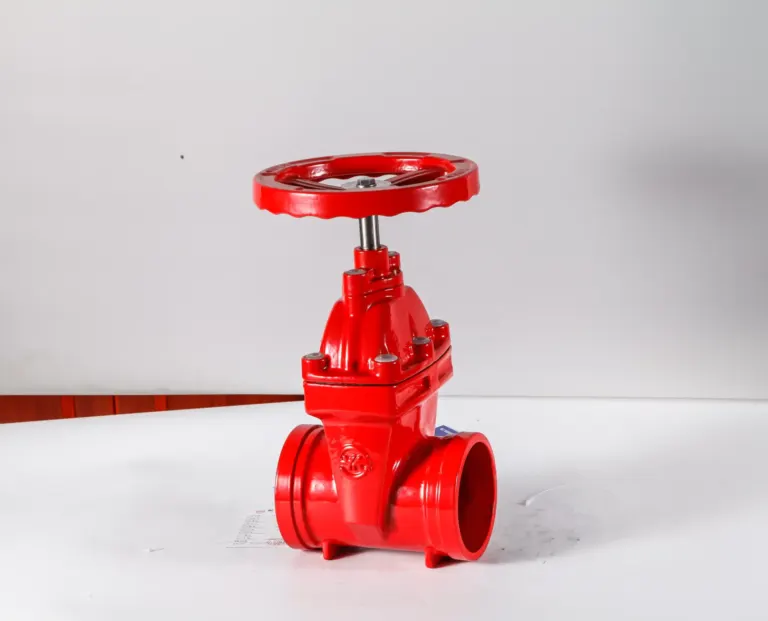
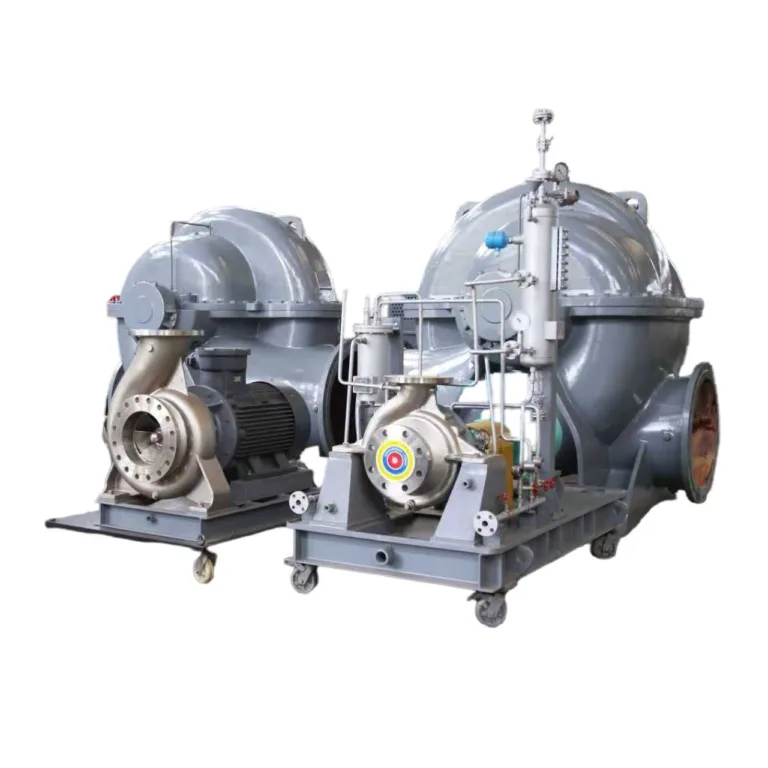
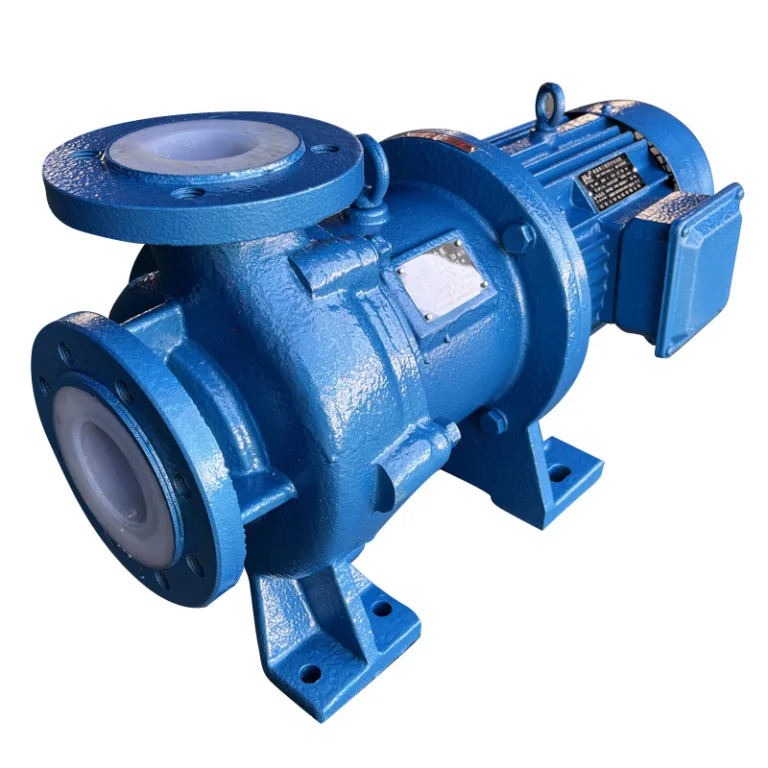
Start with the tag number, service, quantity and location of each item. For pumps, give the fluid, temperature, density or viscosity where relevant, target flow, head and suction conditions. For valves, state whether the duty is isolation or control, and give the pressure, temperature, end connection and actuation requirements. If the project has specified standards, attach the relevant documents.
Organize the data in three columns: confirmed requirement, source document, and open question. State whether a pressure is operating or design pressure, and always include units. A photo of an old nameplate can be a useful clue, but it does not replace the actual conditions of the new project.
Make the data reviewable
List the documents needed for selection separately from the documents needed at delivery. Check the revision of drawings and equipment lists; if two documents conflict, record the conflict instead of quietly picking one value.
The goal is an RFQ package that can be coordinated, not a datasheet that only looks complete. You can send KFE your equipment list, known operating conditions and open items, and we will coordinate the technical clarification. Final selection must still be confirmed against project conditions and the formal data of the chosen manufacturer.
Related industry: Chemical & Pharmaceutical