A material family name is not a corrosion assessment. Seawater composition and operating conditions vary, and the mechanical and thermal loads on each part also affect material selection.
Build a Media Exposure Record
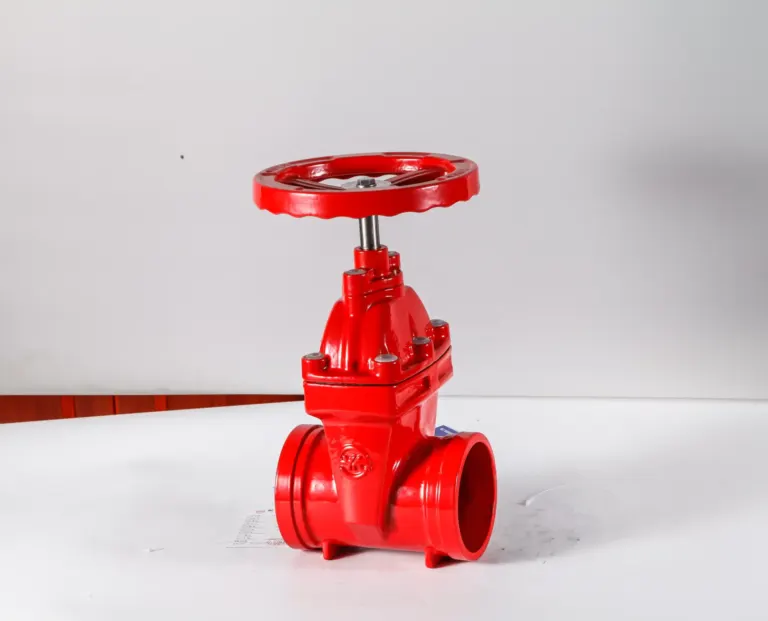
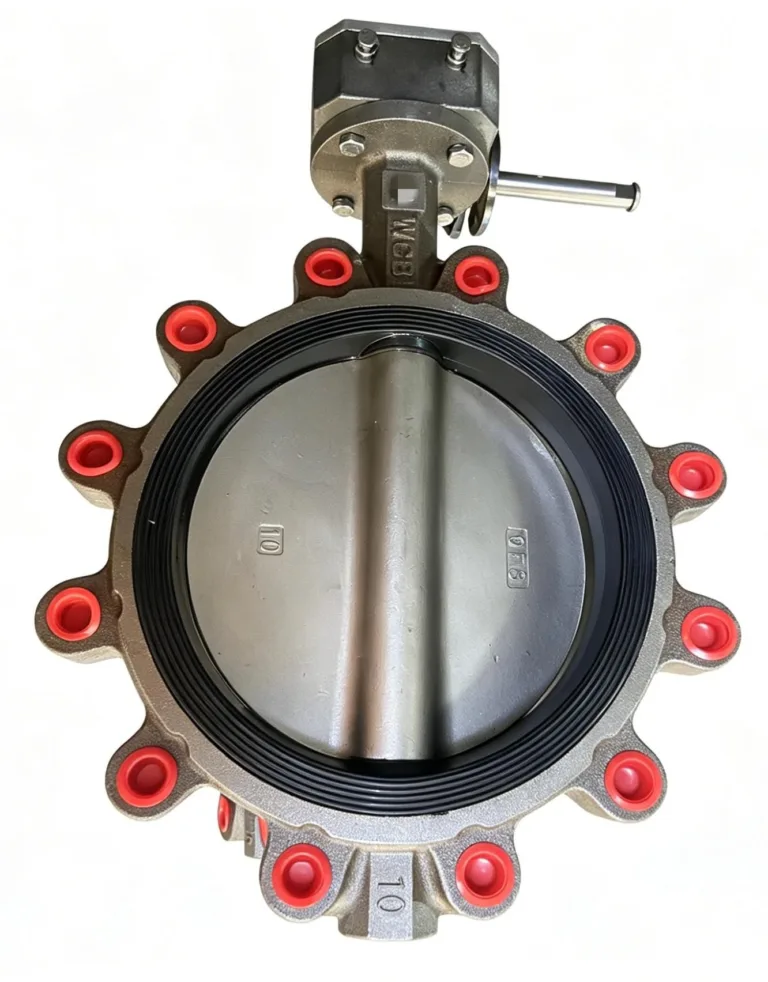
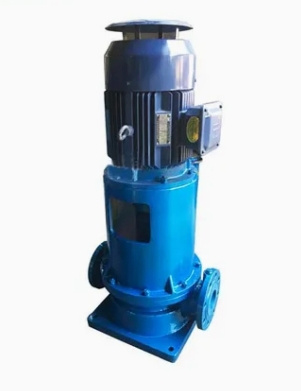
Record any available water analysis, temperature range, flow conditions, stagnation time, and cleaning or treatment chemicals. Separate measured data from assumptions. Check every wetted part, not just the pump casing; shafts, wetted fasteners, seals, valve trim and instrument wetted parts may use different materials.
Request the exact grade, material form and supporting certificates. Chemical resistance charts help with initial screening, but only within their stated scope; a chart for cast metals cannot prove that plastics or elastomers are suitable.
Get Confirmation for the Actual Duty
Give the same media record to each relevant manufacturer and ask for a written suitability assessment. An alloy name does not guarantee service life, and do not substitute grades on your own just because one contains more of a certain alloying element.
KFE can coordinate material lists and supporting documents. The final choice must take the real environment and professional review into account; where key data is missing, set a procurement hold point rather than giving an unsupported seawater resistance guarantee.
Related industry: Water & Wastewater Treatment