For: Maintenance engineers quickly diagnosing and resolving common issues with gate valves, butterfly valves, ball valves, and check valves.
Why Valve Maintenance Matters
Consequences of valve failure:
- Leakage → material waste, environmental pollution, safety incidents.
- Incomplete shutoff → backflow when pump stops, water hammer impact.
- Stuck open → unable to start/stop equipment, production affected.
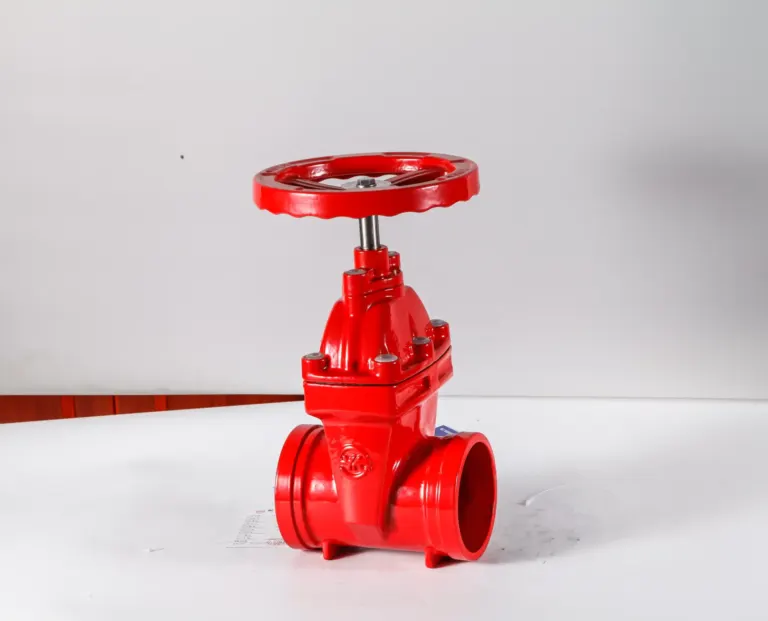
1. Gate Valve Common Issues
Issue 1: Won’t Shut Tight, Continuous Leakage
Symptom: Handwheel turned fully down, but medium still seeps from stem or body.
Causes:
- Seating surface worn, scratched, or corroded.
- Gate deformed or foreign object stuck.
- Stem bent, gate not fully seated.
Quick Fix:
- Temporary seal: Tighten packing gland (for stem leak), or use pipe repair compound/leak clamp (for body leak).
- Permanent fix: Shut down, disassemble valve, grind or replace seating surfaces and gate.
Issue 2: Handwheel Won’t Turn or Very Stiff
Causes:
- Stem rusted or lacks lubrication.
- Packing too tight.
- Gate stuck (medium crystallization, sediment blockage).
Quick Fix:
- Drip lubricating oil (machine oil or grease) on exposed stem portion, wait 10 minutes, then turn.
- Loosen packing gland 1–2 turns to reduce friction.
- Tap valve body lightly to loosen sediment.
- Permanent fix: Disassemble valve, clean, apply anti-rust lubricant.
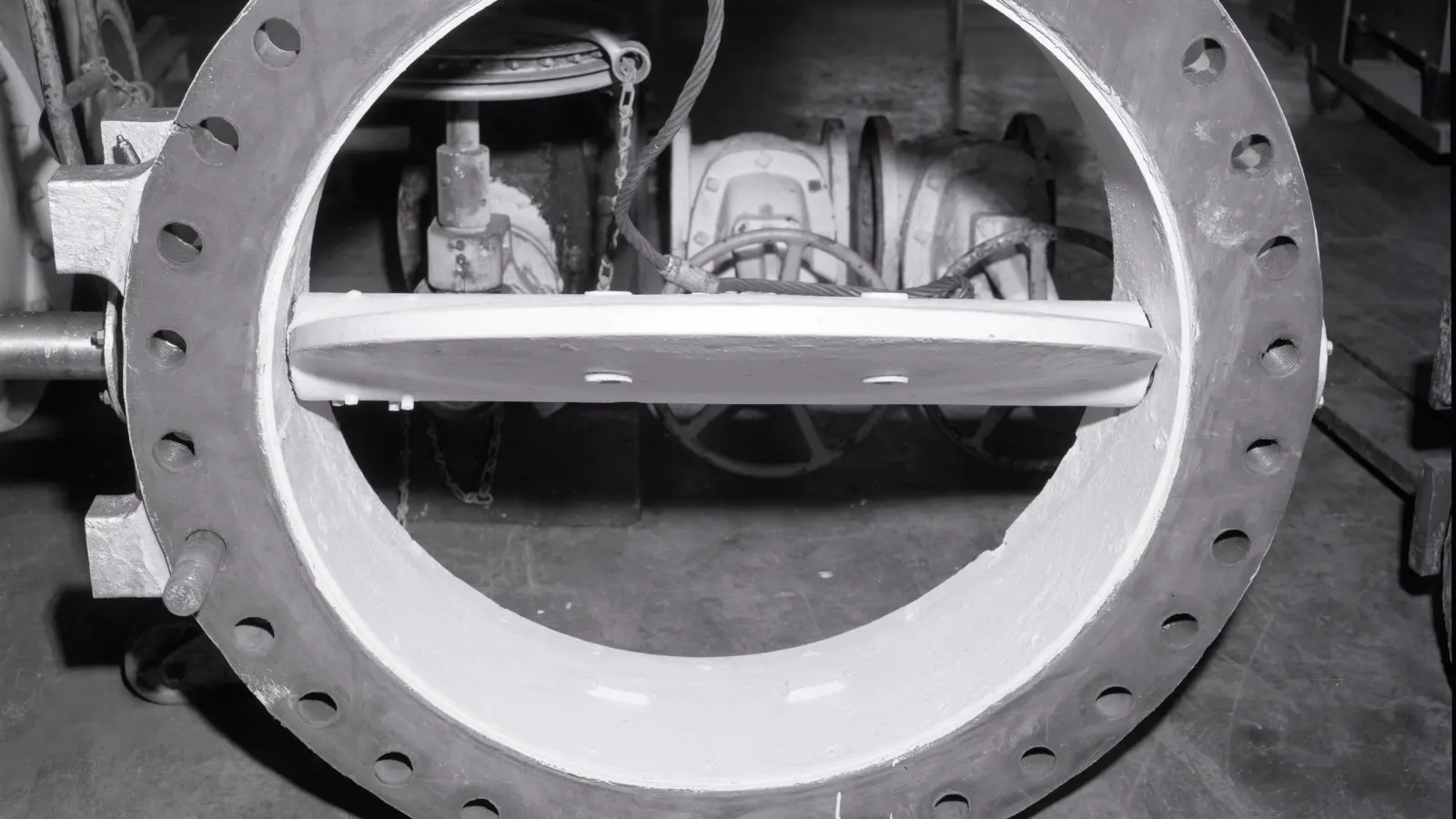
2. Butterfly Valve Common Issues
Issue 1: Won’t Shut Tight, High Leakage
Causes:
- Disc rubber seal aged or torn.
- Disc deformed or misaligned.
Quick Fix:
- Temporary: Increase closing torque (manual butterfly valve: use extension handle; pneumatic butterfly valve: increase air pressure).
- Permanent fix: Replace seal ring (rubber ring lifespan 3–5 years).
Issue 2: Noise During Operation (Metal Scraping Sound)
Cause: Shaft lacks lubrication or bushing worn.
Quick Fix:
- Apply grease (lithium-based) to both shaft ends.
- Check if shaft is bent; replace if necessary.
3. Ball Valve Common Issues
Issue 1: Handle Won’t Turn
Causes:
- Ball and seat stuck (medium crystallization, debris).
- Stem rusted.
- Seal ring swollen (rubber incompatible with medium).
Quick Fix:
- Heat valve body (use hot water or steam to dissolve crystals).
- Tap valve body lightly to loosen debris.
- Use pipe wrench with extended handle for more torque (don’t hammer handle—will break).
Issue 2: Won’t Shut Tight, Minor Leakage
Cause: Seat seal ring aged or scratched.
Quick Fix:
- Temporary: Cycle valve open/close multiple times (ball rotation cuts away debris).
- Permanent fix: Replace seat seal ring (PTFE seal ring lifespan 5–8 years).
4. Check Valve Common Issues
Issue 1: Disc Won’t Reseat, Continuous Backflow
Symptom: After pump stops, pressure gauge needle reverses, liquid flows backward in pipe.
Causes:
- Disc or hinge stuck with foreign object.
- Spring broken or rusted.
- Internal body corrosion, disc doesn’t seat properly.
Quick Fix:
- Temporary: Install manual gate valve before check valve, close manually when pump stops.
- Permanent fix: Disassemble valve, clean, replace spring or disc.
Issue 2: Loud Water Hammer (“Bang” Sound)
Cause: Disc closes suddenly, liquid impacts seat, producing water hammer.
Quick Fix:
- Replace with slow-closing check valve: Adjustable disc closing speed reduces water hammer.
- Adjust pump stop procedure: Use VFD for gradual slowdown (don’t cut power directly).
5. Universal Valve Issues
Issue 1: Stem Leakage
Cause: Packing aged, gland loose.
Quick Fix:
- Tighten packing gland bolts (tighten diagonally and evenly until hand-tight resistance, don’t overtighten).
- If still leaking, shut down and add packing:; Remove old packing (use packing hook).; Wind new packing (graphite or PTFE packing, 3–5 wraps).; Tighten packing gland.
Issue 2: Flange Leakage
Cause: Gasket aged, insufficient compression, flange face uneven.
Quick Fix:
- Temporary: Tighten flange bolts evenly (diagonal pattern, 3 passes with gradual tightening).
- Permanent fix: Shut down, open flange, replace gasket (graphite, PTFE, or spiral-wound metal gasket).
6. Valve Maintenance Checklist
| Maintenance Item | Frequency | Operation |
|---|---|---|
| Lubrication | Monthly | Apply grease to stem and handwheel |
| Packing inspection | Quarterly | Check stem for leakage, tighten gland or replace packing |
| Operation exercise | Monthly | Manually cycle valve full open/closed once (prevent seizing); test automated valve actuation |
| Visual inspection | Weekly | Check body, flanges for cracks, leaks, rust |
| Overhaul | 3–5 years | Disassemble valve, clean, replace seals, grind seating surfaces |
7. Valve Selection Recommendations (Prevent Failures)
| Medium | Recommended Type | Avoid | Reason |
|---|---|---|---|
| Clean water, low pressure | Butterfly, gate | – | Low cost, good sealing |
| High pressure (> PN40) | Gate, ball | Butterfly (low pressure rating) | Butterfly max PN25 |
| Solids-laden (wastewater, slurry) | Knife gate, ball | Gate (easily jammed) | Knife gate cuts fibers |
| Frequent cycling | Ball | Gate (slow operation) | Ball 90° quick action |
| One-way flow | Check | – | Prevents backflow |
Summary: 80% of Valve Failures Are Lubrication and Sealing
3 Key Points:
- Regular lubrication: Oil stems monthly to prevent rust and seizing.
- Regular exercise: Cycle manual valves monthly—long inactivity causes seizing.
- Keep spare parts: Stock packing, seal rings, gaskets for quick replacement when leaking.
If you are sourcing pumps, valves or related equipment for a project, send KFE your equipment list and operating data and we will help with selection and quotation.
Related industry: Chemical & Pharmaceutical