Systematic maintenance extends equipment life, prevents unexpected failures and maintains equipment performance. A sound maintenance plan balances reliability needs against maintenance resources, carrying out work at the right time to raise equipment availability while controlling cost. This article provides a maintenance planning framework, task lists and interval recommendations for industrial fluid equipment.
Maintenance Strategies
Preventive, Predictive and Corrective Maintenance
Preventive maintenance (time-based): carried out at set intervals regardless of equipment condition. It is simple to plan and execute, but may involve unnecessary work and can miss problems developing between services.
Predictive maintenance (condition-based): triggered by signs of deterioration in monitored parameters. Maintenance timing is better, but monitoring systems and analysis skills are needed.
Corrective maintenance (run to failure): repairs are made only after failure. It suits non-critical equipment with standby, but carries the risk of unplanned downtime and secondary damage.
Most plants combine strategies: critical equipment relies mainly on predictive maintenance supported by preventive work; important equipment relies mainly on preventive maintenance with some predictive methods; and non-critical equipment uses corrective maintenance plus basic inspection.
Setting Maintenance Intervals
The manufacturer’s recommended intervals are the starting point, based on component design life and typical service conditions. Adjust them for the severity of actual service, considering continuous or intermittent operation, how clean the environment is, extreme temperatures, corrosive or abrasive service, and how often load changes.
Intervals should then be refined continuously based on actual failure patterns, inspection findings and condition monitoring trends. Insurance, environmental or safety regulations may also set minimum maintenance frequencies that must be followed.
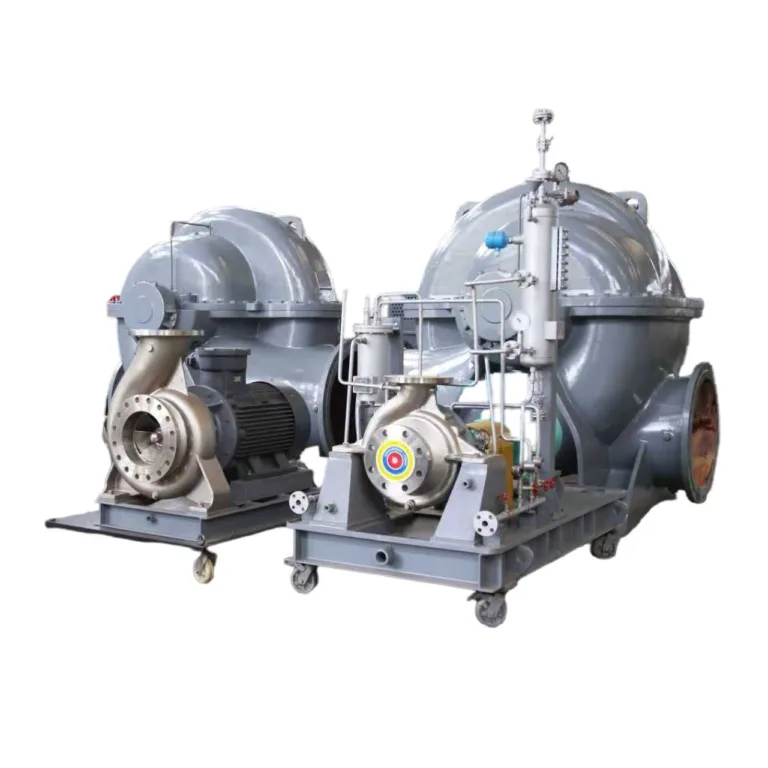
Pump Maintenance Schedule
Daily Checks (Operators)
Visually check for leaks at seals, flanges or drains, unusual vibration or noise, abnormal bearing housing or motor temperature, secure coupling guards and loose anchor bolts. Also monitor discharge pressure and flow, motor current, seal flush flow (if fitted), and listen for cavitation noise. Record any abnormality and raise a work order for inspection or repair.
Weekly Maintenance
Check bearing housing oil level, grease as scheduled, visually check oil colour and clarity, and confirm cooling water flow to bearing coolers. Measure vibration at fixed points with a handheld instrument and compare with baseline values or trend the readings. Investigate when vibration rises more than 25% above baseline.
Monthly Maintenance
Check coupling condition and alignment, anchor bolt tightness, baseplate and grout condition, pipe supports, and any corrosion or coating deterioration. Measure flow, pressure and power, calculate efficiency and compare with baseline, and investigate when efficiency drops by more than 5%. For seal flush systems, verify flush flow, measure pressure, and clean or replace filters and strainers.
Quarterly Maintenance
Lubrication: change bearing housing oil (every 3–6 months depending on oil type), carry out oil analysis (viscosity, metal content, water), purge and regrease grease-lubricated bearings, and clean the cooling system.
Alignment: carry out a precision alignment check with a laser alignment tool or dial indicators, correct any out-of-tolerance alignment, and recheck anchor bolt preload.
Vibration analysis: carry out a full vibration survey with spectrum analysis, compare trends to find developing problems, and perform infrared thermography to locate hot spots.
Annual Maintenance
Internal inspection: open the pump (coupling end or casing), check the impeller for erosion, corrosion or damage, measure wear ring clearances, check shaft condition and runout, and check bearing condition and clearance.
Parts replacement: replace mechanical seals every 1–3 years depending on service, bearings generally every 3–5 years, and wear rings when clearances are excessive, along with gaskets and O-rings.
Testing: after reassembly, carry out a hydrostatic test, flow and head performance test, and vibration acceptance test.
Overhaul (5–10 Years)
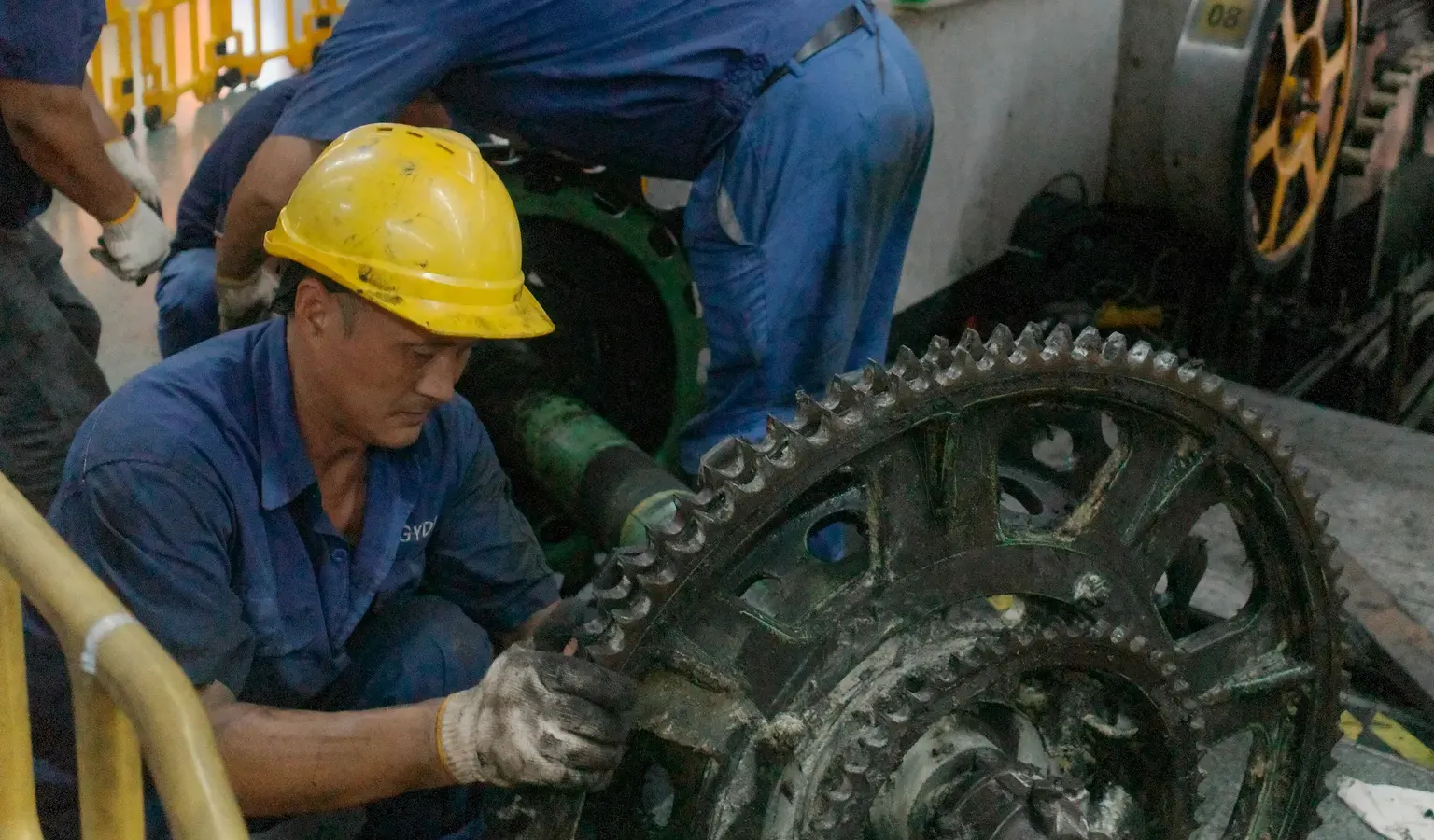
Fully dismantle and clean, replace all bearings, seals and gaskets, check all critical dimensions, replace or repair worn parts, dynamically balance rotating parts, then precision align and recommission.
Valve Maintenance Schedule
Quarterly Checks
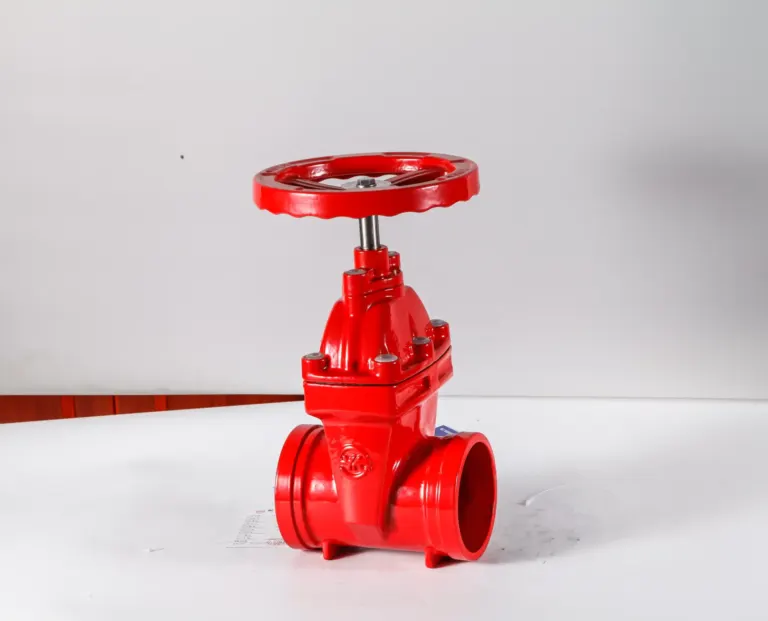
Isolation valves: stroke the valve fully, check stem packing for leaks, confirm actuator function (if fitted), and lubricate stem threads and gear operators.
Control valves: calibrate the valve positioner, run a stroke test to confirm full travel, check packing for leaks, and service air filters on pneumatic actuators.
Annual Maintenance
Isolation valves: remove the actuator, inspect the yoke and stem, repack the stem, inspect internal sealing surfaces in critical service, and function-test after reassembly.
Control valves: remove the actuator, inspect the trim, replace the full packing set, check seat and plug condition, clean or replace badly worn trim, and calibrate stroke and positioner.
Overhaul (5–10 Years)
Fully dismantle, replace all soft seals (seats, gaskets, packing), inspect metal sealing surfaces and lap where needed, replace worn parts, then carry out hydrostatic testing and performance calibration.
Lubrication of Rotating Equipment
Oil-Lubricated Bearings
Check visually every month and carry out oil analysis every quarter. Reference oil change intervals are:
| Oil / service | Oil change interval |
|---|---|
| Standard mineral oil | 3–6 months |
| Synthetic oil | 12–18 months |
| High-temperature service | Shorten based on oil analysis results |
Oil analysis mainly looks at viscosity (oil degradation), metal content (wear), water (contamination) and acid number (oxidation). Change the oil when the scheduled interval is reached, viscosity changes by more than 10%, metal content shows excessive wear, or water exceeds 500 ppm.
Grease-Lubricated Bearings
Regreasing intervals depend on bearing size, speed and temperature: 6–12 months for small low-speed bearings, 3–6 months for medium medium-speed bearings, and 1–3 months for large, high-speed or high-temperature bearings.
Clean the grease nipple first, and grease preferably while the bearing is running (it can also be done at standstill). Calculate the grease quantity from bearing size, typically 1/3 to 1/2 of the cavity volume. Excess grease should be expelled through the drain port, and temperature should be confirmed as stable after regreasing.
New grease must be compatible with the existing grease; otherwise, remove the old grease completely before changing. Never mix incompatible greases.
Instrument Maintenance
Pressure Transmitters
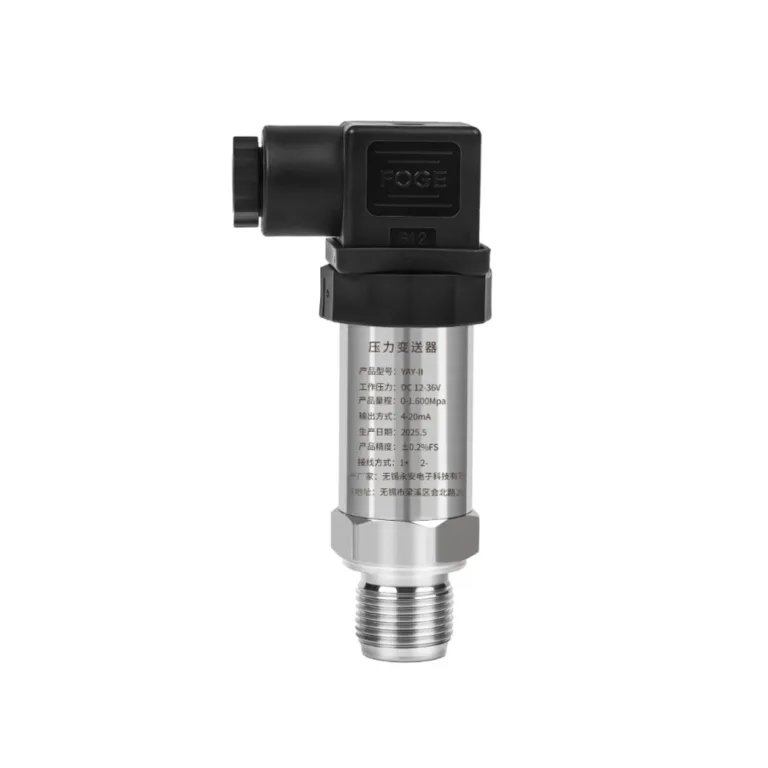
Every quarter, check and adjust zero, blow down impulse lines, and confirm manifold valves operate correctly. Every year, calibrate with a pressure standard, inspect diaphragms and seals, and check signal wiring.
Temperature Sensors
Every six months, check thermowell tightness and terminals, and verify response time in critical applications. Every year, calibrate against a standard, replace RTDs that have drifted, and replace thermocouples when performance degrades.
Flow Meters
Every quarter, carry out zero checks (where applicable), clean upstream strainers and inspect visually. Every year, verify measurement accuracy, check orifice plates for wear and damage, clean magnetic flow meter electrodes, and inspect ultrasonic transducers.
Predictive Maintenance Techniques
Vibration Analysis
Measure critical equipment weekly or monitor it continuously online, important equipment monthly, and general equipment quarterly. Analysis methods include overall vibration trends (RMS velocity), spectrum analysis to identify characteristic frequencies, and matching them to running speed, bearing defect frequencies and vane pass frequency.
Criteria: investigate when vibration rises more than 25% above baseline; schedule maintenance soon when it rises more than 60%; and plan corrective action when characteristic frequencies indicate bearing defects or imbalance.
Oil Analysis
Sample critical equipment monthly and general equipment quarterly, with more frequent sampling for new equipment during running-in. Monitor viscosity changes, wear metals (iron, copper, aluminium, chromium), water and solid contamination, and oxidation products and acid formation.
Infrared Thermography
Quarterly infrared surveys can detect electrical hot spots (connections, motor windings), find bearing overheating before serious failure, and identify abnormal process temperatures and insulation deterioration.
Ultrasonic Testing
Annual testing or continuous monitoring can assess bearing condition from sound signatures, and check steam trap operation, compressed air leaks and corona discharge.
Maintenance Records
Equipment History
The maintenance log should record all maintenance activities in time order, including date and work done, parts replaced, measured parameters (vibration, clearances, alignment), and signatures of the technician and approver.
Recording maintenance labour hours and parts costs supports life cycle cost analysis, economic comparison with replacement equipment, and budget forecasting. For major failures, prepare an investigation report recording the failure mode and evidence, root cause determination, and corrective actions to prevent recurrence.
Performance Trends
Keep plotting key parameters, including efficiency, vibration, energy use and cumulative running hours. The rate of performance decline shows whether equipment is ageing normally and needs scheduled refurbishment, or deteriorating abnormally and indicating an operating problem, and helps decide when to overhaul or replace.
Predictive Maintenance Data
Build a vibration spectrum database so current data can be compared with historical spectra; track the build-up of wear metals in oil and oil degradation; and keep baseline thermal images for comparison to find developing problems.
Maintenance Planning and Scheduling
Work Order System
Maintenance needs come from scheduled preventive maintenance, inspection findings, operator reports and condition monitoring alarms. Work plans should define the job scope and procedure, parts and materials needed, special tools or equipment, estimated labour hours, and safety permits and procedures. Scheduling must consider the impact on production plans, maintenance resources, parts delivery times and coordination with other shutdown work.
Shutdown Planning
Major maintenance is usually scheduled during planned annual or semi-annual shutdowns, grouping several maintenance tasks together to reduce the number of production stops. Major work should be planned 6–12 months in advance.
Critical path scheduling identifies the sequence of work that sets the minimum shutdown duration, so materials can be bought and contractors arranged in advance, preparation scheduled sensibly, and progress tracked during the shutdown. A review after the shutdown captures lessons for future shutdowns.
Conclusion
Systematic maintenance carried out to a sound plan improves equipment reliability, extends equipment life and optimises total cost of ownership. Combining preventive maintenance with modern predictive techniques gets the timing right, avoiding failures while cutting unnecessary work.
If you are sourcing pumps, valves or related equipment for a project, send KFE your equipment list and operating data and we will help with selection and quotation.
Related industry: HVAC