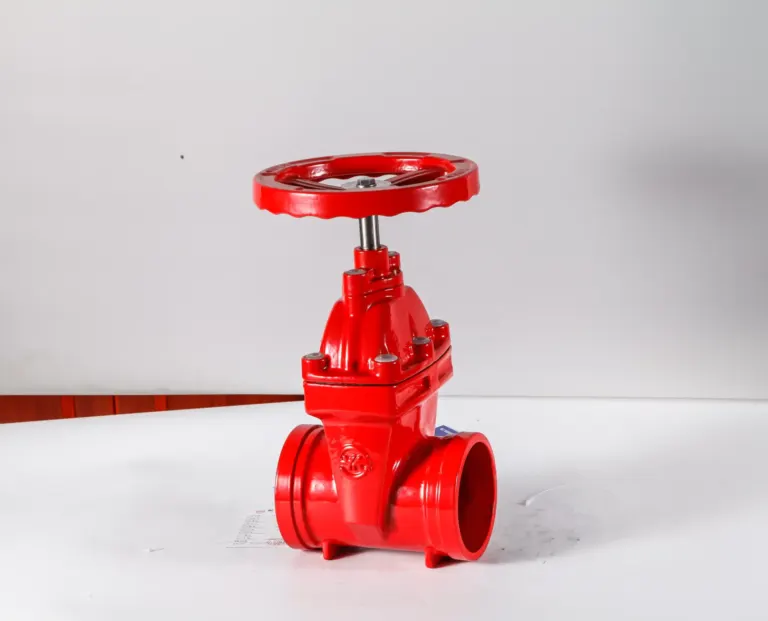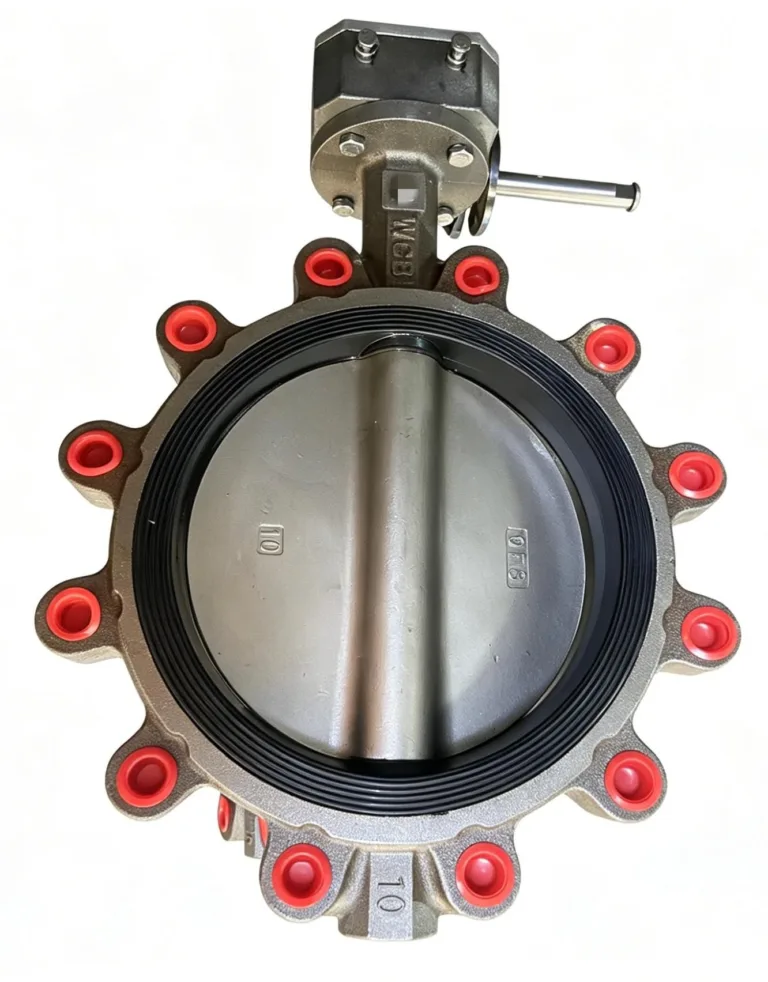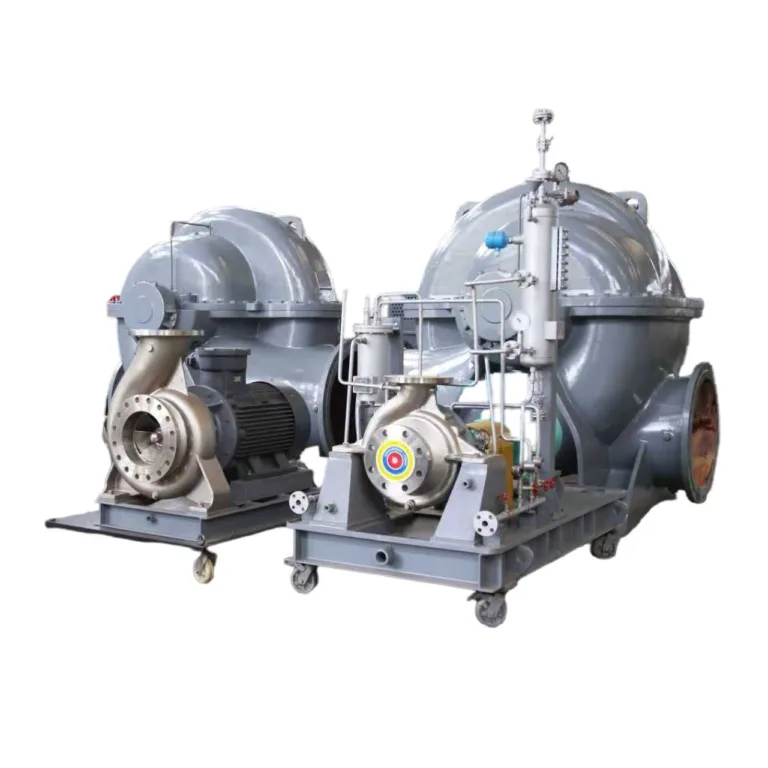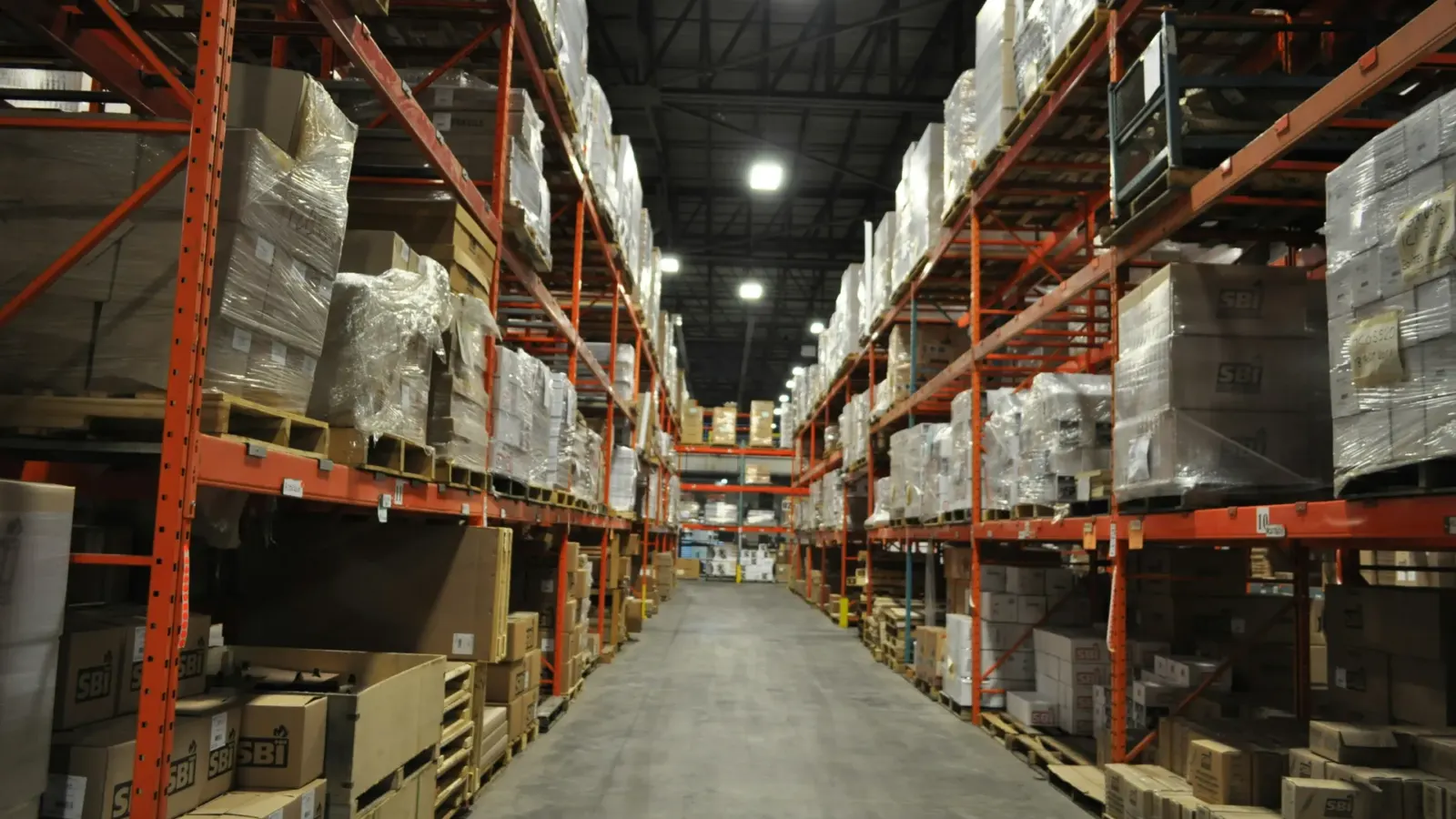
For: EPC contractors procuring pumps, valves, piping, and instrumentation from multiple Chinese suppliers requiring consolidated container shipment to project site.
Why Consolidate Containers?
Problems with separate shipments:
- Document chaos: 5 suppliers shipping separately = 5 bills of lading, 5 commercial invoices, 5 packing lists, 5 customs declarations, 5 insurance policies.
- Complex clearance: Customs must verify each shipment, increasing demurrage risk and storage fees.
- Freight waste: Each supplier’s LCL (less than container load) shipping costs 30–50% more than FCL (full container load).
- Staggered arrivals: Different sailing schedules mean incomplete site deliveries, delaying installation progress.
Benefits of consolidated containers:
- Single document set: Only one bill of lading, one invoice, fast clearance.
- Freight optimization: FCL cheaper than LCL, plus negotiable volume discounts with shipping lines.
- Synchronized arrival: All equipment arrives same day, facilitating unified site receiving and installation.
I. Three Container Consolidation Models
Model 1: EPC-Designated Freight Forwarder Consolidation
Process:
- EPC signs purchase contracts with each supplier, delivery point specified as “EPC-designated freight forwarder warehouse (e.g., Ningbo/Shanghai/Xiamen).”
- Each supplier delivers goods to freight forwarder warehouse per contract schedule.
- Freight forwarder handles receiving, photography, container loading, customs declaration, booking.
- All goods loaded into same container or adjacent containers, shipped in one batch.
Advantages: EPC has full control, convenient to coordinate progress and handle issues. Disadvantages: EPC bears freight forwarder and storage costs (if one supplier delays, other goods wait and incur storage fees).
Model 2: Lead Supplier-Coordinated Consolidation
Process:
- EPC selects supplier with largest order value or highest reliability as “lead supplier.”
- Other suppliers deliver goods to lead supplier’s factory or warehouse.
- Lead supplier handles unified container loading and shipping. Bill of lading shows only lead supplier’s name.
- EPC pays full amount to lead supplier, who transfers payment to other suppliers (or EPC pays separately).
Advantages: EPC has less hassle, deals with only one supplier. Disadvantages: Other suppliers may be unwilling to cooperate (payment risk concerns, unclear liability). Lead supplier must assume coordination responsibility.
Model 3: Professional Third-Party Consolidation Service
Process:
- EPC engages professional consolidation service (e.g., Chinese cross-border logistics company).
- Each supplier delivers goods to consolidation service warehouse (typically near port, e.g., Ningbo, Shenzhen).
- Consolidation service handles receiving, photography, container loading, customs declaration, booking, provides “consolidation bill of lading.”
- EPC pays consolidation fee to service provider, pays goods separately to each supplier.
Advantages: Professional, neutral, high supplier cooperation; consolidation service has warehouse and customs resources, efficient. Disadvantages: Adds consolidation fee (typically 2–5% of cargo value).
II. Container Consolidation Operation Steps
Step 1: Develop Consolidation Plan
Immediately after purchase contracts signed, develop consolidation plan:
- Consolidation time window: Example: “December 1–10, 2026, all goods must arrive at Ningbo warehouse.”
- Collection warehouse address: Specify warehouse name, address, contact person, phone.
- Loading location: Load at warehouse or port terminal?
- Estimated container type and quantity: Based on packing lists from suppliers, estimate how many 20GP/40GP/40HQ needed.
Step 2: Notify All Suppliers
Send formal email or fax to all suppliers containing:
- Collection warehouse address and consignee contact.
- Delivery deadline (3–5 days before loading date to allow receiving and organizing time).
- Packing requirements:; External packaging marked with shipping mark showing “Project Name + Equipment Name + Serial Number + Box Number/Total Boxes” (e.g., “Saudi Water Project / Pump P-101 / S/N 12345 / 1/3”).; Provide detailed packing list showing item name, quantity, weight, dimensions for each box.; Export wooden cases must comply with ISPM15 standard (fumigation or heat treatment, IPPC stamp).
Step 3: Arrival Inspection
Freight forwarder or consolidation service checks upon receiving:
- External packaging intact (damage, moisture, deformation)?
- Shipping marks clear and correct?
- Quantity matches packing list?
- Weight and dimensions match declaration (affects freight calculation and stowage)?
Photo documentation: Photograph each cargo piece (appearance, shipping mark, damage) as evidence for subsequent claims or disputes.
Step 4: Container Loading and Securing
Loading principles:
- Heavy items bottom, light items top: Avoid crushing light cargo.
- Large items inside, small items near door: Facilitates unloading small items first during devanning.
- Multiple boxes of same equipment grouped together: Facilitates site inventory and installation.
- Reserve aisle: If container very full, leave narrow aisle in middle to allow personnel entry during devanning.
Securing measures:
- Use wooden wedges and blocking between boxes to prevent shifting during transport.
- Wrap precision equipment (instrumentation, control panels) with bubble wrap, EPE foam.
- Brace container door with wood to prevent cargo collapse when opening door.
Loading photos: Photograph loading process (empty container, loading in progress, loaded full, before sealing) as delivery evidence.
Step 5: Prepare Unified Documents
Required documents:
- Commercial Invoice:; Header: EPC company or owner company (per contract).; Items: List all equipment names, models, quantities, unit prices, total prices.; Total amount: Sum of all suppliers’ goods.; HS codes: Customs code for each equipment type (affects tariffs).
- Packing List:; List item name, quantity, gross weight, net weight, dimensions (L×W×H, unit cm) for each box.; Separate packing list for each container.
- Certificate of Origin (CO):; If destination country has FTA with China (e.g., ASEAN Form E), can enjoy tariff preference.
- Bill of Lading (B/L):; Shipper: EPC or lead supplier (per model).; Consignee: Owner or EPC’s agent at destination port.; Destination port: e.g., Jeddah, Jebel Ali.
Step 6: Customs Declaration and Booking
Customs declaration:
- Declare export to customs, provide commercial invoice, packing list, certificate of origin, export license (if required).
- Customs inspection (random): If selected, freight forwarder notifies devanning for inspection, reseal after passing.
Booking:
- Book with shipping line, confirm sailing schedule, routing, transshipment port.
- Pay ocean freight (per trade term: FOB paid by consignee, CIF paid by shipper).
Step 7: Destination Port Clearance and Delivery
Clearance documents:
- Original bill of lading (Original B/L).
- Commercial invoice, packing list.
- Certificate of origin, material certificates, test reports (if customs requires).
- Import permit, SASO/ESMA certificate (if destination country mandates).
Devanning and inspection:
- EPC or owner arranges devanning at destination port, verifies quantity and appearance.
- If shortage or damage, immediately photograph and notify freight forwarder and supplier to initiate claims process.
III. Common Problems and Solutions
Problem 1: One Supplier Delays, Do Others Wait?
Solutions:
- Contract penalty clause: Delay penalty 0.5–1% of cargo value per day, maximum 5–10%.
- Batch loading: Ship arrived goods in first container, delayed goods in next batch (but increases freight and document costs).
- Urgent expediting: Send personnel to supplier factory to supervise, or replace supplier (if contract allows).
Problem 2: Damage or Quantity Discrepancy Found During Loading
Solutions:
- Immediately photograph, video, notify supplier.
- Reject damaged goods, require supplier to resend or compensate.
- If quantity discrepancy, check if packing list error or actual short shipment.
Problem 3: Destination Port Customs Requires Additional Documents
Solutions:
- Understand destination country import requirements in advance (e.g., Saudi SASO, UAE ESMA, Indonesia SNI), obtain certificates in China.
- If documents missing after arrival, contact supplier to urgently process, send to destination port agent via express or email.
Problem 4: Freight Over Budget
Solutions:
- Quote in advance: Get quotes from multiple freight forwarders before loading, compare freight and sailing schedules.
- Container optimization: Maximize each container fill (40HQ max 26–28 tons or 67 cubic meters), avoid wasting space.
- LCL option: If very small volume (< 10 cubic meters), can consolidate with other shippers to reduce unit freight.
IV. Consolidated Container Cost Estimate
| Cost Item | Amount (USD, reference only) | Who Bears |
|---|---|---|
| Domestic transport (supplier factory → port warehouse) | $200–500/truck | Supplier or EPC |
| Storage fee (if temporary storage needed) | $5–10/m³/day | EPC |
| Loading fee (labor + securing materials) | $100–300/container | EPC or freight forwarder |
| Customs declaration fee | $50–150/declaration | EPC or freight forwarder |
| Ocean freight (China → Middle East, 40HQ) | $1500–3000/container | Per FOB/CIF |
| Destination port fees (THC, doc fee, D/O fee) | $300–600/container | Consignee |
| Clearance fee | $200–500 | Consignee |
Summary: Consolidated Containers Save Time and Money, But Require Advance Planning
3 Key Points:
- Communicate early: Specify collection location and timing in purchase contracts so suppliers can cooperate.
- Professional coordination: Select reliable freight forwarder or consolidation service with experience handling multiple suppliers’ cargo.
- Complete documents: Ensure all documents (invoice, packing list, certificate of origin, product certificates) complete before shipment to avoid destination port clearance delays.
If you are sourcing pumps, valves or related equipment for a project, send KFE your equipment list and operating data and we will help with selection and quotation.
Related industry: Chemical & Pharmaceutical